


E Bike Phone Holder: A Wholesale Buying Guide Built Around Real Rider Complaints
A weak e Bike Phone Holder usually fails in ordinary moments: a delivery rider removes the phone too many times in one afternoon, a commuter hits rough pavement, a customer installs the clamp beside an e-bike display, or a thick phone case does not sit correctly inside the arms. For wholesale buyers, those moments matter more than a clean product photo. They show whether the mount can survive the way customers actually ride.
E-bikes create a different buying standard from standard bicycles. They are faster, heavier, and often used every day. Many riders use phones for navigation, delivery apps, music, calls, battery route planning, and emergency contact. A holder that only works on a simple test handlebar may not be ready for e-bike retail, private-label sales, or distributor orders.
Start With the Complaint You Want to Avoid
Instead of starting with features, start with the complaint. Did the phone shake? Did the clamp slide? Did the holder block the brake cable? Did the packaging make the customer buy the wrong model? This way of thinking helps buyers choose details that protect reviews after the product reaches the market.
The Best Sample Is the One That Prevents Returns
A sample should not be judged only by weight, color, or how firm it feels in the hand. It should be judged by whether it reduces the most likely return reasons. A practical sample review looks at fit, vibration, phone protection, handling, and packaging language together.

The Handlebar Area Is Already Crowded
E-bike handlebars often include a display, throttle, brake lines, lights, bell, mirror, and cable routing. The phone holder has to find space inside that crowded cockpit. If the clamp is too wide or the screw direction is awkward, customers may install the holder at a poor angle or give up completely.
- Check the clamp width, not only the handlebar diameter range.
- Confirm whether the screw can be tightened without hitting a display or cable.
- Test the mount beside brake levers, headlights, and control buttons.
- Make sure adapter pads stay in place during installation.
Fast Riding Changes the Stability Requirement
E-bikes can accelerate quickly and hold higher speeds than casual bicycles. That changes how the phone holder should behave. The mount must resist side movement, upward bounce, angle shift, and slow loosening after repeated rides. A design that feels acceptable for a short city bicycle ride may feel weak on a heavier e-bike.
Stable Does Not Have to Mean Bulky
Some products try to look strong by becoming oversized. That can create another problem: crowded handlebars and awkward screen position. Better stability comes from controlled contact points, proper pad placement, reliable tightening, and a joint that holds its angle without feeling stiff or rough.
Phone Cases Should Be Part of the Main Test
Most riders do not mount a bare phone. They use thick protective cases, raised camera designs, magnetic rings, or wallet-style covers. If the holder is tested only with a bare device, the approved size range may look better than the product performs in real use.
- Test a compact phone, a large phone, and a thick-case phone.
- Check whether side buttons are pressed by the holder arms.
- Confirm that the camera area does not rub against hard plastic.
- Try portrait and landscape positions if the product supports rotation.
Delivery Use Is the Toughest Everyday Scenario
Delivery riders expose weak details faster than almost any other user group. They may remove and reinstall the phone many times each day, ride over uneven roads, and rely on the screen for order updates and navigation. If the release mechanism, spring tension, or arm movement weakens quickly, this channel will reveal it.
Repeated Handling Should Feel the Same After Testing
Open the holder, close it, rotate it, remove the phone, and repeat the process. The buyer should notice whether the product still feels controlled after repeated handling. Loose movement after a short test is a warning sign for wholesale orders.
Vibration Control Is More Than Soft Padding
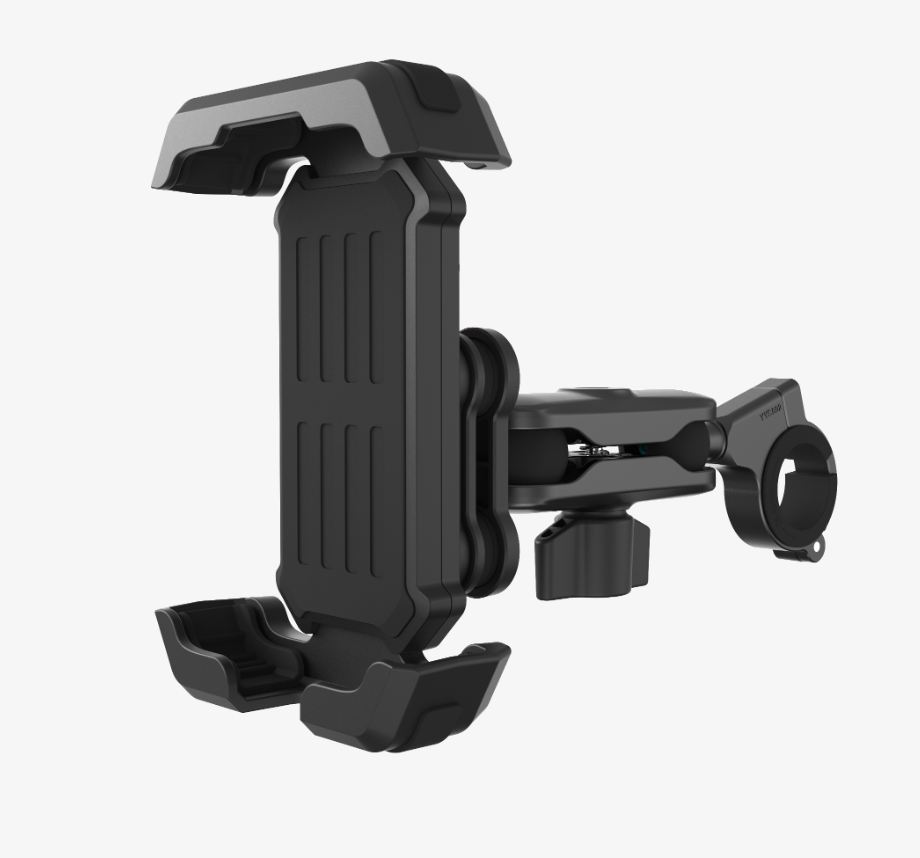
Soft pads can protect the phone surface, but they cannot fix a weak structure. If the mount allows the phone to float, the rider sees bouncing on the screen. If the pad is too hard, the phone may feel secure but receive less protection. A good holder balances grip, cushioning, and structural control.
Buyers should observe the mounted phone from the side during movement. The phone should not visibly bounce, rattle, or rotate. The joint should keep the chosen angle after rough movement and repeated adjustment.
Screen Position Affects Safety and Satisfaction
E-bike riders need a quick glance, not a complicated adjustment. If the phone sits too low, too high, or too close to the display, the rider keeps correcting it. That habit creates frustration and can loosen weak joints over time.
Viewing Angle Should Be Tested on a Real Bike
Desk testing is not enough. The buyer should sit in a normal riding posture and check whether the screen is visible, whether cables block the view, and whether the holder interferes with braking or steering. A good product feels natural once installed.
Packaging Should Stop Wrong Purchases
Many returns are not caused by broken products. They happen because customers misunderstood compatibility. Good packaging should tell buyers what phone sizes, handlebar sizes, and riding situations the holder is designed for. It should also show the included parts clearly.
- List handlebar diameter range in a simple visible place.
- Show phone size range and whether thick cases are supported.
- Include a clear accessory list for pads, screws, and instructions.
- Avoid claiming every vehicle type unless the product was tested for it.
Do Not Sell One Mount as Every Mount
A common marketing mistake is to claim that one holder works for bicycles, e-bikes, motorcycles, scooters, strollers, shopping carts, and fitness bikes. Broad claims may look efficient, but they attract wrong customers. E-bike buyers should keep the message precise enough to protect reviews.
If the holder is mainly for commuting e-bikes, position it that way. If it is suitable for delivery or rough-road use, support that claim with a stronger sample test. Clear positioning helps distributors and retailers sell the product with fewer after-sales problems.
Use a Small Test Log Before Approval
A test log makes the approval process more professional without making it complicated. It gives the supplier a clear standard and gives the buyer a useful reference for final inspection.
| Review Area | What to Record | Why It Matters |
| Handlebar fit | Clamp width, diameter range, cable clearance | Prevents installation failure on real e-bikes. |
| Phone fit | Large phone, thick case, buttons, camera area | Reduces compatibility complaints. |
| Repeat handling | Open-close cycles, release feel, arm movement | Checks daily-use durability. |
| Outdoor stability | Bounce, rattle, angle shift, visibility | Confirms performance beyond desk testing. |
| Packaging | Claims, parts list, instructions, carton support | Reduces wrong purchases and missing accessories. |
Private-Label Orders Need a Locked Standard
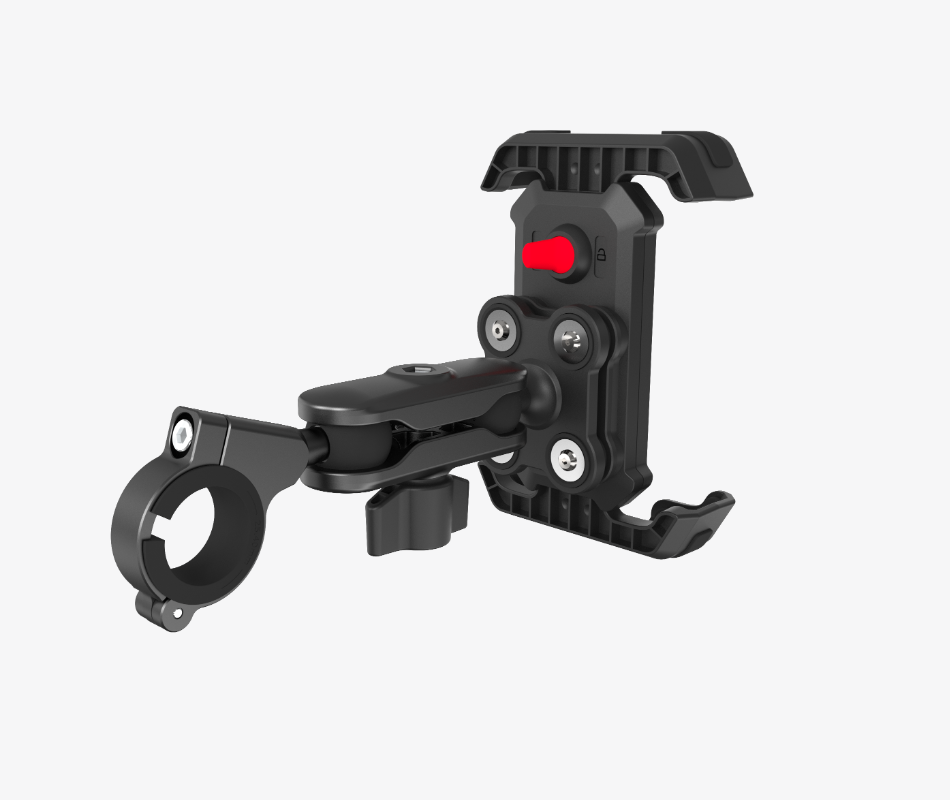
Private-label buyers should keep one approved sample or detailed photo record as the production reference. The locked standard should include material, color, logo position, pad hardness, accessory list, packaging artwork, carton quantity, and inspection points.
Small Changes Can Create Big Differences
A shorter screw, softer pad, changed spring, or different packaging insert can change the customer experience. Once a sample is approved, changes should be controlled and documented. This is especially important when the same item will be reordered across several sales seasons.
Conclusion
An e bike phone holder should be chosen by studying how real customers might complain. The strongest wholesale decision comes from testing crowded handlebars, faster riding, thick phone cases, repeated delivery use, vibration behavior, screen position, packaging clarity, and private-label consistency. When these details are handled before production, the product is easier to sell, easier to explain, and safer to reorder.
FAQ
What makes an e bike phone holder different from a regular bike phone holder?
An e bike phone holder usually needs stronger stability, better handlebar compatibility, and more careful vibration control because e-bikes ride faster and are often used for daily commuting or delivery.
Should wholesale buyers test phone cases before ordering?
Yes. Thick phone cases, raised camera areas, magnetic rings, and large phones can affect fit, button clearance, and screen position.
What packaging details reduce wrong purchases?
Clear handlebar diameter range, phone size range, included accessory list, installation steps, and realistic use-case claims can reduce customer confusion and returns.
Can e bike phone holders be customized for private-label orders?
Yes. Common customization includes logo, color, packaging, labels, instructions, accessory configuration, and sometimes structural changes for larger OEM or ODM projects.